The Ultimate Guide to Choosing the Best Fishing Rods for Every Angler
Choosing the right fishing rod is vital for any angler's success. Various types of rods cater to various fishing styles and conditions. Understanding the key features, such as material, action, and power ratings, can substantially impact performance. However, many anglers miss these details. As they start their fishing journeys, the pursuit for the perfect rod can turn out to be more complex than anticipated. What factors should they truly prioritize?
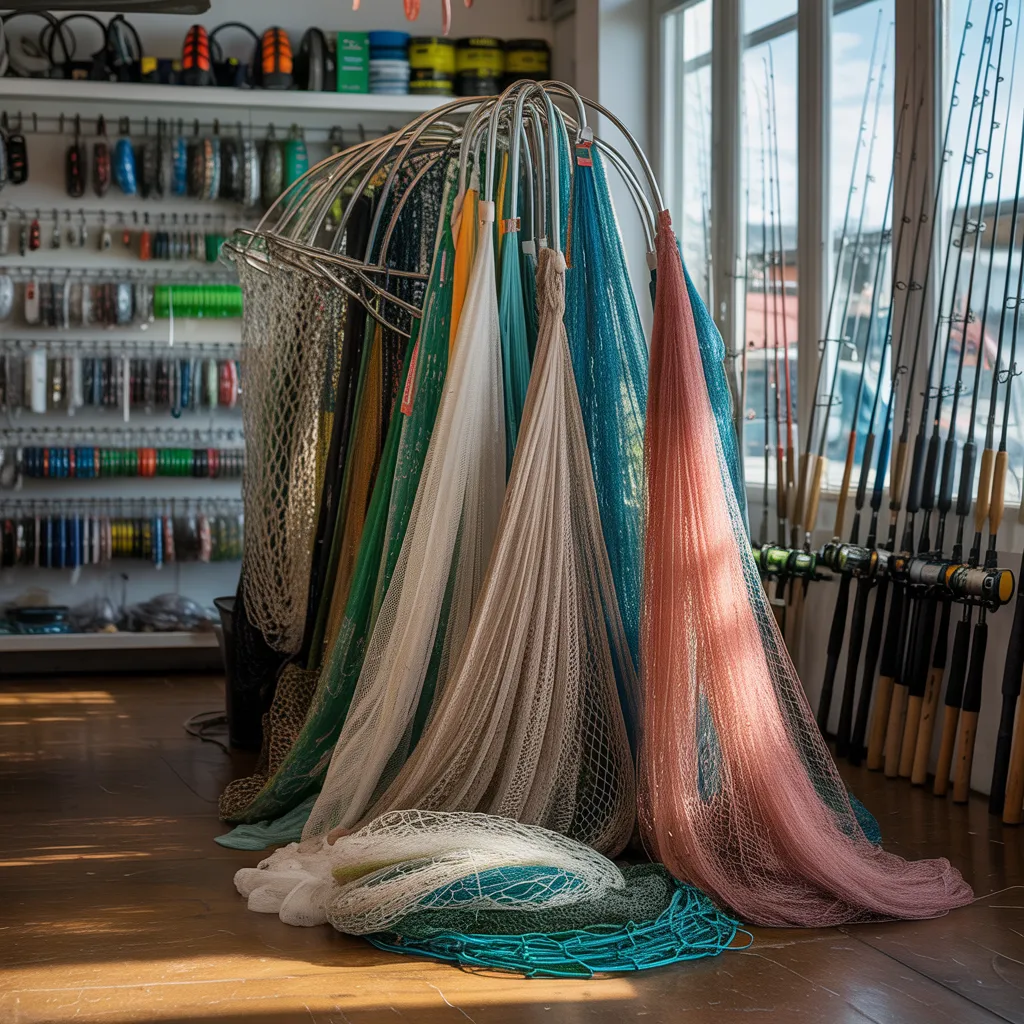
Grasping Fishing Rod Basics
Although fishing rods can look uncomplicated at first glance, grasping their basic components is vital for any fishing enthusiast. A fishing rod is primarily constructed from the blank, guides, reel seat, and handle. The blank, usually manufactured from materials for example graphite or fiberglass, offers the foundation and sensitivity necessary for successful casting. Guides, tiny rings attached along the rod's length, help with line management and help direct the line's trajectory while casting and retrieval.
The reel seat serves as the attachment point for the fishing reel, providing stability throughout use. Finally, the handle, often made of cork or EVA foam, provides comfort and grip, allowing for peak control. These features operate in unison to affect the rod's performance, influencing casting distance, sensitivity, and durability. Knowledge of these elements empowers anglers to make educated selections, elevating their fishing experience and success on the water.
Categories of Fishing Rods and How to Use Them
When selecting a fishing rod, grasping the numerous types available is important for optimizing fishing success. There are numerous primary categories of fishing rods, each built for specific techniques and environments. Spinning rods are flexible and user-friendly, excellent for beginners and right for light to medium tackle. Baitcasting rods provide greater control and accuracy, making them favored for experienced anglers going after larger species.
Fly rods are specifically designed for fly fishing, featuring a lightweight design that facilitates delicate presentations. Surf rods, on the other hand, are extended and durable, catering to anglers fishing from the shore. For those keen on ice fishing, specialized ice rods are short and sensitive, engineered to sense subtle bites through the ice. Ultimately, understanding these distinct categories assures anglers choose the right rod for their fishing approach and target fish, elevating their overall experience on the water.
Key Features to Think About When Selecting a Rod
Selecting the right fishing rod involves careful consideration of multiple key features that can greatly impact performance. One crucial aspect is the material of the rod, which often includes graphite, fiberglass, or composite choices. Graphite is light and responsive, while fiberglass offers strength and flex. Another critical feature is the rod's action, which determines how much the rod bends when pressure is applied. Fast action rods respond quickly, whereas slow action rods provide greater flexibility. Additionally, the handle type, usually made from cork or EVA foam, affects comfort and grip during use. Reel seat quality is also essential, as it ensures secure attachment of the reel. Finally, guides and tip quality impact line movement and casting distance. By understanding these features, anglers can select a rod that best suits their fishing preferences and style.
Picking the Correct Length and Power
Choosing the appropriate length and power for a fishing rod is crucial for attaining peak performance. Rod length influences casting distance and accuracy, while power ratings show the rod's strength and ability to handle diverse species. Understanding these factors helps anglers make educated decisions tailored to their fishing needs.
Comprehending Rod Length
Rod length is crucial for determining the overall performance and effectiveness of a fishing rod. Lengthy rods, generally spanning 7 to 12 feet, provide enhanced casting distance and leverage, making them perfect for surf fishing or targeting species in larger bodies of water. On the other hand, shorter rods, typically between 5 to 6.5 feet, provide greater accuracy and control, which is useful for small streams or tight fishing spots. The picking of rod length should match the angler's fishing style, technique, and target species. Knowing the environment and fishing conditions will also affect the appropriate length. Finally, selecting the right rod length improves the fishing experience and results in more successful outings on the water.
Explaining Power Ratings
Grasping rod length is only one element of selecting the right fishing rod; power ratings are just as crucial in matching the rod to certain fishing conditions and techniques. Power ratings indicate the rod's strength and capacity, defining how much weight it can handle. Rods are typically categorized as ultralight, light, medium, medium-heavy, and heavy. An ultralight rod is appropriate for small fish and finesse techniques, while a heavy rod is designed for larger species and heavy lures. Picking the appropriate power rating confirms that anglers can efficiently control their line and lure, boosting their chances of success. Evaluating the targeted species and fishing environment will help anglers in making the best choice for their needs.
Combining Your Rod With Reel and Line
Often, anglers discover that the success of their fishing trip relies on the compatibility of their rod, reel, and line. Selecting the right combination guarantees optimal performance and enriches the overall fishing experience. The rod's power and action should match the reel's gear ratio and type, whether spinning or baitcasting. For example, a lightweight rod read here combined with a high-speed reel is ideal for swift retrieves, while a heavier rod may need a sturdier, slower reel for substantial catches.
Line choice also plays a critical role; the breaking strength should correspond to the rod's specifications and the reel's capacity. Monofilament, fluorocarbon, or braided lines offer different advantages, affecting both sensitivity and how far you can cast. In the end, reaching a proper balance between these components allows anglers to optimize their effectiveness on the water, enhancing both casting accuracy and fish fighting capabilities.
Preservation Strategies for Endurance and Maximum Output
Caring for a fishing rod is crucial for maintaining its longevity and peak performance. Consistent cleaning practices, correct storage techniques, and routine inspections for damage can greatly extend the durability of the equipment. By following these maintenance practices, anglers can improve their fishing experience and preserve their investment.
Regular Maintenance Practices
Even though fishing enthusiasts may focus on picking the perfect rod, regular cleaning practices are essential for providing longevity and peak performance. After each fishing trip, it is necessary to rinse the rod with fresh water to remove salt, dirt, and debris that can cause corrosion. A soft cloth can be used to wipe down the rod and guides, ensuring no moisture is left behind. For rods with cork handles, a mild soap solution can help to preserve their condition. Examining the rod for any indications of damage or wear is also essential; this allows for timely repairs. Regular cleaning not only enhances the rod's appearance but also safeguards its functionality, making it a worthwhile practice for every fisherman.
Right Storage Approaches
Proper storage techniques play an essential role in extending the lifespan and effectiveness of fishing rods. Fishermen ought to keep rods in a temperature-controlled, moisture-free area to stop moisture buildup, which can cause corrosion. Utilizing rod holders or racks helps maintain their shape and stops warping or bending. It is advisable to avoid placing heavy objects on top of the rods or leaning them against walls, as this can create unnecessary stress. Moreover, separating individual rods with protective sleeves can minimize friction and potential damage. For those using rod cases, ensuring they are well-ventilated will further protect the rods from humidity. Ultimately, proper storage protects from wear and tear, guaranteeing rods remain in optimal shape for future fishing adventures.
Assessing for Damage
Regular inspections are essential for guaranteeing the longevity and performance of fishing rods. Anglers should check their rods consistently for any signs of wear or damage. This includes inspecting the rod blank for fractures, splinters, or color changes, as these can compromise structural integrity. In addition, guides and tip tops must be checked for damage or loose components, which can hinder line movement and contribute to breakage. Ferrules should also be evaluated to confirm a secure connection between rod sections. Lastly, the reel seat must be evaluated to prevent slippage during use. Handling any identified issues promptly through repairs or replacements can significantly extend the life of a fishing rod and enhance the overall fishing experience.
Questions & Answers
What Is the Best Fishing Rod Brand for Beginners?
For beginners, brands such as Ugly Stik and Shimano offer excellent options. They provide long-lasting, user-friendly rods with good flexibility and strength, making them well-suited for novice anglers looking for reliable performance while learning the essentials of fishing.
How Much Does a First Fishing Rod Cost?
Professionals recommend newcomers invest between $50 to $100 on their first fishing rod. This price range usually offers a balance of quality and affordability, guaranteeing a favorable experience without straining the new angler financially.
Is It Possible to Use a Spinning Rod for Baitcasting?
Baitcasting cannot be performed effectively with a spinning rod. Every rod type is engineered for particular techniques, as spinning rods work best with lighter lines and lures, whereas baitcasting rods perform best with heavier tackle and precision casting.
What Is the Ideal Material for a Fishing Rod?
The top material for a fishing rod is often graphite, renowned for its tactile feedback and lightweight qualities. Fiberglass, while heavier, offers resilience, making it ideal for certain fishing styles. At the end of the day, the choice relies on personal preference and fishing conditions.
How Can I Determine Whether a Rod Is Too Heavy for Me?
To determine if a rod is too heavy, a fisherman should evaluate comfort during casting and retrieval. If exhaustion or strain happens fast, the rod might be too heavy for their power and casting style.